 Somewhere along the way, rest has become something we have to earn.
Gone are the days when stores closed at 5pm on weekdays and 1pm on Saturdays, when long weekends meant a break, not a full social calendar of hosting braais or a busy destination trip, when Sunday afternoons were for a well-earned nap and tea on the patio, and work waited until Monday because the office was, quite literally, closed.
Nowadays, we schedule it, justify it, and then feel faintly guilty about it once it's done. Ask most people what they did over a long weekend and you'll notice how quickly the answer turns into a checklist of activities: the hike completed, the market visited, the box ticked. Tell someone you did nothing, and you may well be greeted with total disbelief.
Doing nothing, it seems, needs a chaperone.
“It’s a shame that genuine rest needs an excuse,” says Onwaba Gonyora, Director of Brahman Hills, a five-star hospitality and wellness destination in the heart of the KwaZulu-Natal Midlands. “By rest, I don’t mean laziness or simply lying around. I mean choosing to slow down, be still and give yourself permission to properly switch off.”
The Italians have a phrase for it, dolce far niente, the "sweetness of doing nothing". The Danes have hygge, a sense of comfort, contentment and ease found in simple, unhurried moments. Different cultures may describe it differently, but the idea is much the same: rest and leisure have value and are a worthwhile pursuit.
Modern life doesn't make this easy. We carry our work in our pockets now, and our leisure has started to look suspiciously more like work: optimised, tracked, photographed, posted. Holidays are planned like projects, with itineraries packed so tightly that people come back needing a holiday from their holiday.
And somewhere in all that planning, the actual point of rest gets lost.
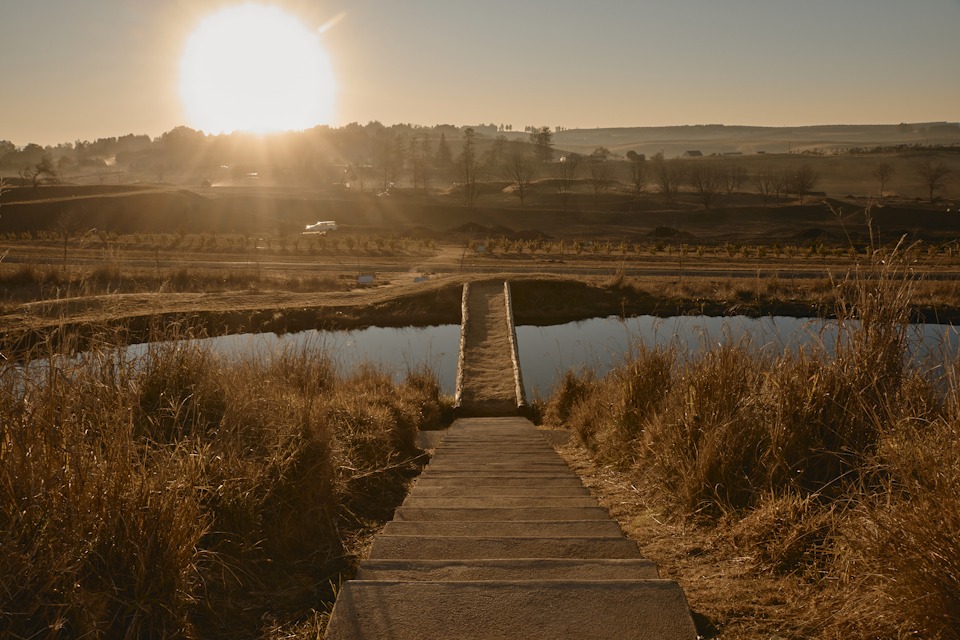
"So, what does doing nothing well actually look like? I'd argue it starts with permission," suggests Gonyora. "Not the permission you ask for from a boss or a calendar, but the internal kind, the quiet decision that an afternoon spent watching the light change over a garden, or a morning with nowhere particular to be, has value in itself. It doesn't need to produce anything. It doesn't need a caption."
"It also takes a particular kind of environment," she adds. "Doing nothing well is hard in a cluttered, noisy, demanding space, which is probably why so many of us reach for nature when we finally do slow down. There's a reason places like the Midlands, or any stretch of quiet countryside, pull people out of cities for a break. Space seems to give permission that willpower alone often can't."
The art of true rest takes practice, though. “The first few hours can be the hardest,” Gonyora confesses. “I have personally found that the mind keeps reaching for its to-do list like a phantom limb. It’s usually only once that noise finally quietens that we start to remember what unstructured time actually feels like.”
That, she believes, is why the spaces we choose to rest in matter. Sometimes stepping away from the familiar is what allows us to properly reset.
“It’s something we think about a lot at Brahman Hills,” says Gonyora. “We’ve deliberately created spaces where people don’t have to be constantly doing something.
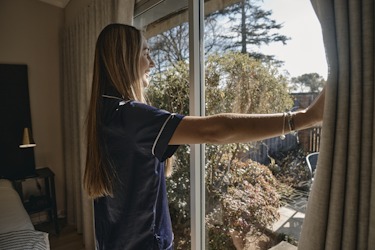
If you can, get away. Head for the countryside, switch off and give yourself a few days with nowhere you need to be and nothing you need to achieve. If you can’t, start smaller. Leave one Saturday unplanned. Don’t fill every hour. Put the phone down, sit outside, take a nap, read a book, or simply do nothing for a while.
Rest doesn’t have to be earned. Perhaps we just need to get better at allowing ourselves to have it.