 Jessica Molebatsi - fashion designer and founder of the JessicaJane label – believes in creating clothing that reflects a woman’s true value and feminine beauty.
Carving a niche for herself in Feminine Couture, Jessica’s passion is to help women feel confident, beautiful, and valued.
She believes that every woman has intrinsic worth, when expressed through clothing it unveils their true feminine nature and beauty to the world. By unveiling a woman’s self-worth, she is empowering women who wear a JessicaJane item to express who they are and feel more confident.
Jessica’s love affair with fashion started as a little girl upon a large cutting table where she sat playing with fabric and pretending to pin, while her grandmother lovingly crafted beautiful wedding gowns. In a world where Jessica spent hours in the company of her grandmother sewing, flipping through wedding magazines and unleashing her creativity, it was no surprise that she would choose to pursue a career in fashion design.
After a gap year, Jessica enrolled at the Durban University of Technology where she studied her first two years of a Bachelor of Arts degree in fashion design which she completed in Johannesburg at the London Institute of Fashion. Armed with a qualification, she went on to work as a Costume Designer on various feature films – which incidentally is where she met her future husband Actor and Executive Producer Wandile Molebatsi – however, something was missing.
Jessica’s talent for fashion design, which her grandmother always recognised within her, and desire for entrepreneurship, led to the creation of JessicaJane in 2010 which she started on the living room floor of her flat which she shared with a friend.
She recalls that in some ways she was always destined for entrepreneurship; as a young child she was always coming up with things to sell like posters, making lemonade and baking cupcakes. And while she was certainly excellent in the positions where she worked, Jessica didn’t feel completely satisfied.
Jessica loves the feeling of being the master of her own destiny, and while she agrees that starting a fashion label is a lot of hard work, she believes that the ability and potential to make your life what you want it to be, is the most appealing aspect of being an entrepreneur.
It took guts for Jessica to start out on her own because she had absolutely nothing in Johannesburg, no network, resources, or funding. All she had was a dream, lots of talent and determination. And it definitely paid off as her reputation has grown to where it is today where she is regarded as a top fashion designer of high-quality Feminine Couture.
Jessica has had the honour of creating a gown for Mama Winnie Mandela to wear to her 80th Birthday celebration and has also dressed local celebrities like Terry Pheto, Precious the Planner, Minnie Dlamini, Boity, Mrs SA Matapa Maila and Amanda Du Pont amongst others.
During this period of her life she married Wandile Molebatsi (6 July 2013) and started a family - their son, Elijah Aruna, was born in late 2014, and their daughter, Onalenna, arrived in 2017.
She continued to make JessicaJane items for clientele, however starting a family and running a business were definitely challenging, with her two young children taking priority. It was in 2019 when she had more time to dedicate to growing the JessicaJane brand, that she invested more energy into the business.
When Lockdown happened in 2020, as with everyone during this period, Jessica’s pace slowed down and it was in this reflective period that she conceptualised her new fashion label – Mother of Haute, a high-end made-to-order range that clients could choose from and have custom-fit to their unique figure.
Up until this point JessicaJane focused on creating two fashion products: one-of-a-kind event wear where she dressed many celebrities and successful businesswomen; and high-end wedding gowns. Jessica developed a reputation as the go-to fashion designer for African women who wanted a dress that uniquely paid homage to the traditional culture of the bride and groom, blending it elegantly with the fairy-tale style of dress the modern bride desires.
She had also gained traction with boutique stores and her clientele were requesting JessicaJane originals because of her high quality, unique designs and impressive precision sewing; lockdown provided the creative ignition Jessica needed to take her fashion brand to the next level.
And to new levels Jessica is definitely rising. She has been invited to show her unique Feminine Couture on the international runway in Paris for the February/March 2022 season of Paris Fashion Week. This is a massive accolade for a local fashion designer to be scouted and recognised for her unique fashion talent alongside other top international designers.
Speaking about the South African fashion industry, Jessica believes there is room for local designers to grow as the fashion market matures given the finances, technology and resources they need to create a thriving fashion house that has potential to be as big as Dior or Chanel. The local market is young compared to the international fashion centres like Paris, Milan and NYC, but she believes designers have the talent to break through.
Being catapulted from humble beginnings into the limelight to become one of South Africa’s top fashion designers, Jessica has always remained humble and true to herself and her purpose of creating designs that celebrate the unique feminine value that women bring to the world.
Her designs reflect feminine traits, energy and spirit, embracing feminine characteristics of radiance, thoughtfulness, collaboration, compassion, empathy, sensuality, and connection. Her signature style of Feminine Couture sets her apart and will serve her well as she aims at taking the JessicaJane brand international, fulfilling a dream sparked by one tiny stitch in her grandmother’s sewing room.
On young people wanting to become a fashion designer she believes that because you like fashion, it doesn’t mean you will be a good designer. The work is creative, but it is also very technical and has one of the highest dropout rates because of this. It is also time consuming and labour intensive. This means it can take a long time to get any form of reward, but she believes it is worth it in the long run. She recommends that it is good to team up or find a mentor who is good at business and who can bring a unique skill to what is known as a tough industry to break into.
Jessica believes that your uniqueness as a designer doesn’t always come from what you think it will be, it unfolds from trial and error. “One day you find that thing no one has done, and it works for you. You found it and it found you. When that happens, think creatively about it and expand your unique edge into everything you do.”
Jessica is inspired by the past, the history of fashion, the why’s, the origin of fabrics and why things were created as they were. She values optimism and positivity, which she has embraced in her designs and also in her personal life.
As a white European woman by descent who married a half Xhosa, half Tshwana man, Jessica embraces her multicultural life and family. She believes that immersing herself in many cultures provides her with a unique perspective to her fashion designs. She is optimistic about the future of her business, her life and of South Africa with all its challenges – after all it is the place she calls home.
When she is not working and creating designs, you will find Jessica at home with her two young children and husband, baking, connecting, playing and just being in the moment with the ones she loves the most.
JessicaJane Launches Her Effortlessly Delicate Summer Range
Inspired by Venetian and Parisian Summer Fashion
We are granted almost limitless opportunities to express ourselves through fashion, yet nothing compares to the undeniable feeling of beauty that an outfit that truly fits who you are gives you. Jessica Molebatsi - fashion designer and founder of the JessicaJane label - believes that every outfit should be an opportunity for the world to discover us as we want to be. That every woman deserves to feel as comfortable as she does beautiful and her latest summer range is a celebration of that beauty and the power of the feminine form.
In her latest range which is made to fit each client, Jessica was inspired to distil the feeling of elegance that we find in Venetian and Parisian summer fashion. The result is a range that is as light as a summer breeze with a presence that can carry the most regal of women.
“I got my inspiration where I always do - the women who wear my clothes. I want to be their greatest friend and ally and create clothing that takes everything they wished their clothes make them feel - and brings it to life. ”
A welcome break from relaxed denim shorts, t-shirts and the colours of summers past, Jessica’s latest collection swirls with comfortable sophistication. She achieves a wonderful balance between feminine elegance and soft playfulness with her subtle use of satins and delicate cotton voile. Her use of iconic summery cotton and muted patterns dance with her deliberate cuts to create the perfect summer smoothness.
Her favourite element of this collection is the dreamy cream satin and the super-soft floral print that just sigh with luxury.
“I think with summer fashion, we want to rejoice in the feeling of happiness and warmth and lightness, and I think nothing feels quite as light and happy as voile”
Her favourite is the full cream satin suit. Classy yet comfortable and strikingly understated. Other statement pieces include the floral super soft satin pants with the floral super soft satin crop. This outfit is incredibly comfortable, and doesn’t even require ironing! Making it the perfect pocket-sized travel companion.
The best garments allow us to say something about ourselves. Assembling your wardrobe is a meaningful exercise where we literally wear our hearts on our sleeves. And our hearts are full of life and love for this collection.
To view her collection visit www.Jessicajane.co.za or follow her on Instagram @jessicajane_molebatsi.
Contact via WhatsApp +27 72 526 9474
Or email This email address is being protected from spambots. You need JavaScript enabled to view it.
News supplied.
 Thank you to all the photographers who have been capturing scenes of abundant water resulting from the recent heavy rainfalls over our KZN Midlands area. Michael Bowman (owner of Nottingham Build It) flew over the Karkloof area this weekend in a ZU-SSG with Steve McCurrach (Director at The Bateleurs) and recorded these images from the air. The Karkloof Falls is 105m high compared to the nearby Howick Falls at 111m.





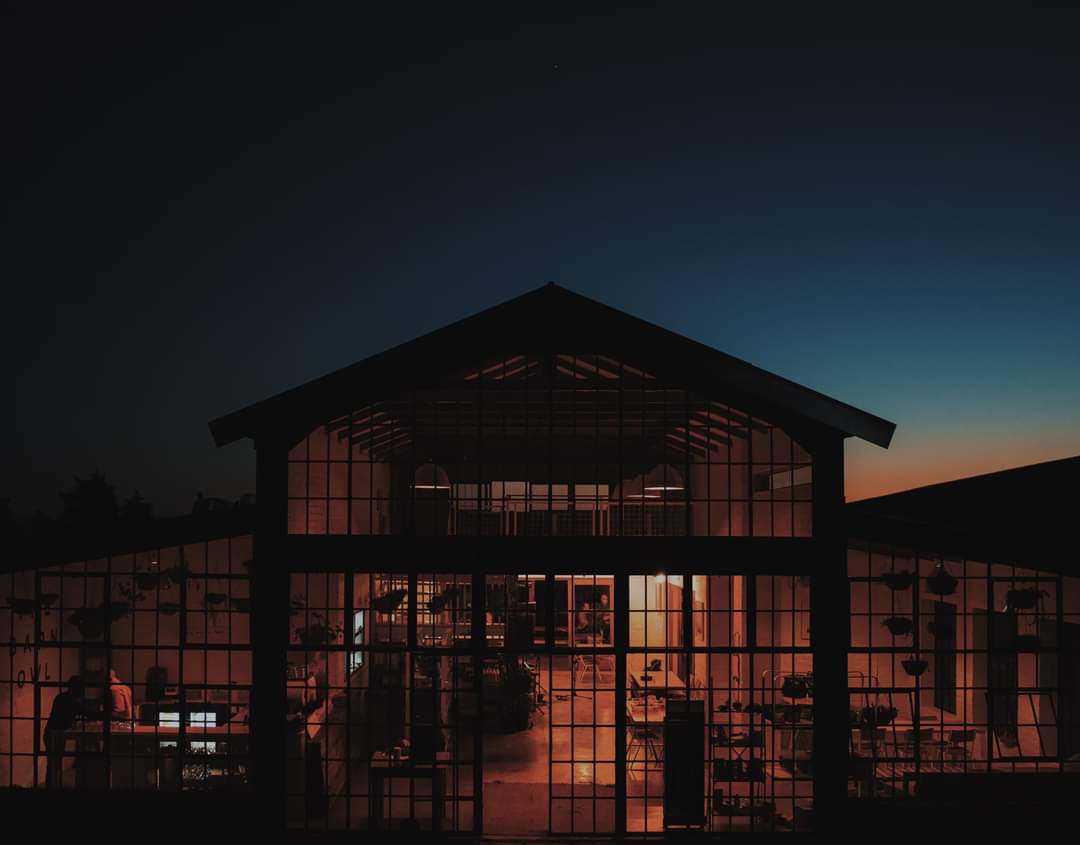
 Due to a surge of interest from filmmakers from Africa and the Diaspora, the Realness Institute, in partnership with Netflix, has announced an extension for submissions for the 2022 Episodic Lab and Development Executive Traineeship (DET) programmes. Applicants will now have until 21 January 2022 to apply.



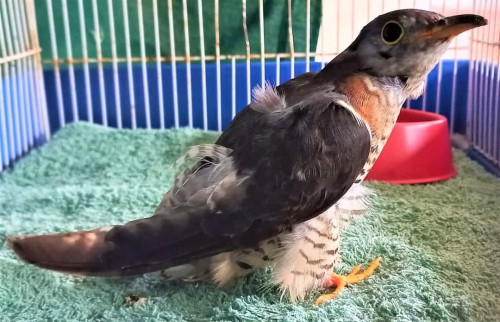

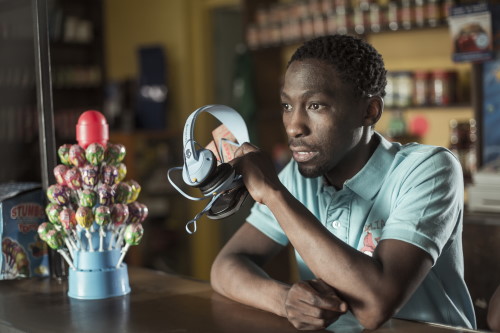 Inspiring stories have the power to ignite a flame of hope in our lives that lights up the future. They help us explain our shared experiences of perseverance, triumph and change, and offer meaning and community in darker days. Planned to go into production towards the end of February 2022, Rocket Boy is a story so inspiring it is sure to capture the hearts of the world.